World
Report: White House Blocked Document Condemning Britain, France and Canada Over Settlement Boycott
A draft prepared for Secretary of State Rubio proposed attacking the countries' intent to ban imports of West Bank products and defining it as 'hostile actions contributing to antisemitism' • According to Reuters, the initiative was shelved after it did not gain the backing of Washington's top brass • We reported on N12: Trump chose not to oppose the British sanctions, out of frustration with PM Netanyahu's policy
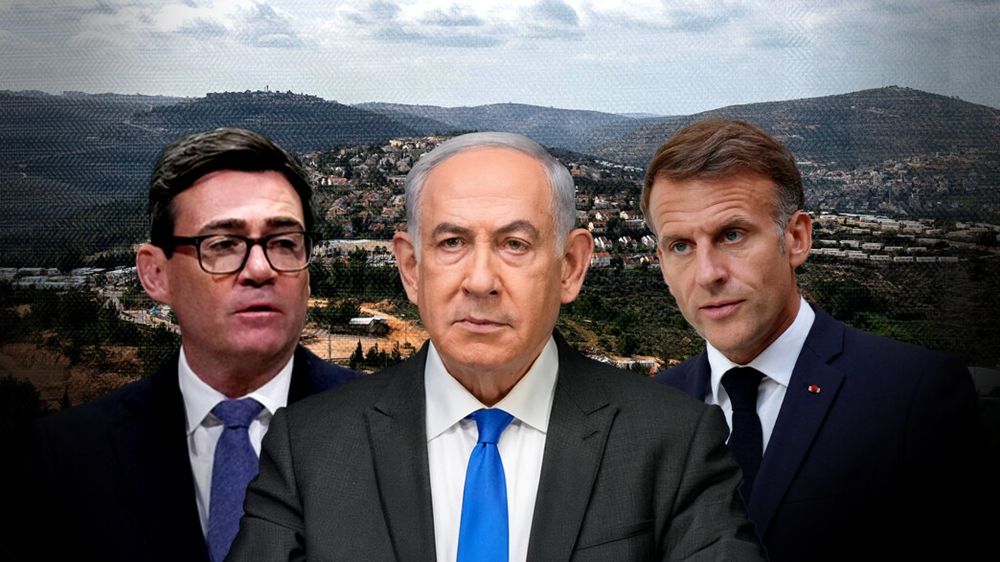
· Source: N12. Photo as published in the article
American officials drafted a strongly worded document in early September for adoption by Secretary of State Marco Rubio against Britain, France and Canada's plan to impose a boycott on settlement products, but according to reports the document was shelved on the White House's orders and was never published.
Official American officials, at the U.S. embassy in Jerusalem and in Washington, drafted in early September a particularly strong document intended for adoption by Secretary of State Marco Rubio, in which there was sharp criticism of Britain, France and Canada's plan to ban imports of settlement products. According to reports, the draft proposed that Rubio would sharply defend the moves and describe them as a series of hostile actions against Israel contributing to antisemitism, and while linking the move to the de-legitimization campaign, arguing that the tactics draw unacceptably from the pattern of action of the Boycott, Divestment and Sanctions (BDS) antisemitic movement.
Ultimately the statement was shelved and was never published, Reuters reported. Three sources involved in the details told Reuters that the statement did not receive the support of the White House and the top brass of the U.S. State Department, which led to the decision to shelve it entirely. The shelving of the document fits into the policy the White House has recently demonstrated: the Trump administration chose not to oppose the initiative led by Britain in imposing new sanctions on Israeli settlements and did not even attempt to block it, and this decision was seen as a signal of growing frustration in Washington with the policy of PM Netanyahu's government in Judea and Samaria.
The British move included imposing sanctions on entities involved in construction as well as banning imports of products from the settlements, following the Israeli government's decision to promote construction in area E1, a move that American administrations from both parties have opposed over the years. France, Canada, Sweden, Spain, Norway and other countries joined the move, announcing their intention to impose similar trade restrictions. Behind the scenes, the British prime minister spoke with President Trump ahead of the announcement and updated him on the matter, and according to reports Trump did not express opposition and did not ask to refrain from the step, and American officials clarified to their London counterparts that they share concerns regarding Israeli policy on the ground.
When asked about the British decision, Rubio refused to condemn it and said that the president did not react to it and neither did he, and that the British informed them of the decision and they heard their arguments. He added that they share the goal of stability and do not want to see an increase in violence or tension. U.S. Ambassador to Israel Mike Huckabee attacked London in an interview with the BBC and called the move discrimination against the Jewish people, but a senior White House official clarified to N12 in response that Huckabee's statements did not match the White House or the State Department leadership.