World
Denmark's intelligence warns: Russia may conduct limited attack against NATO country
Denmark's intelligence services warned in a report released Thursday that Russia may conduct a limited military attack against a NATO member country in the coming months. According to the report, the likelihood is still low but expected to grow, and Russia is expected to intensify hybrid attacks across Europe. NATO members are increasingly concerned whether the United States will stand by Europe under a Trump administration.
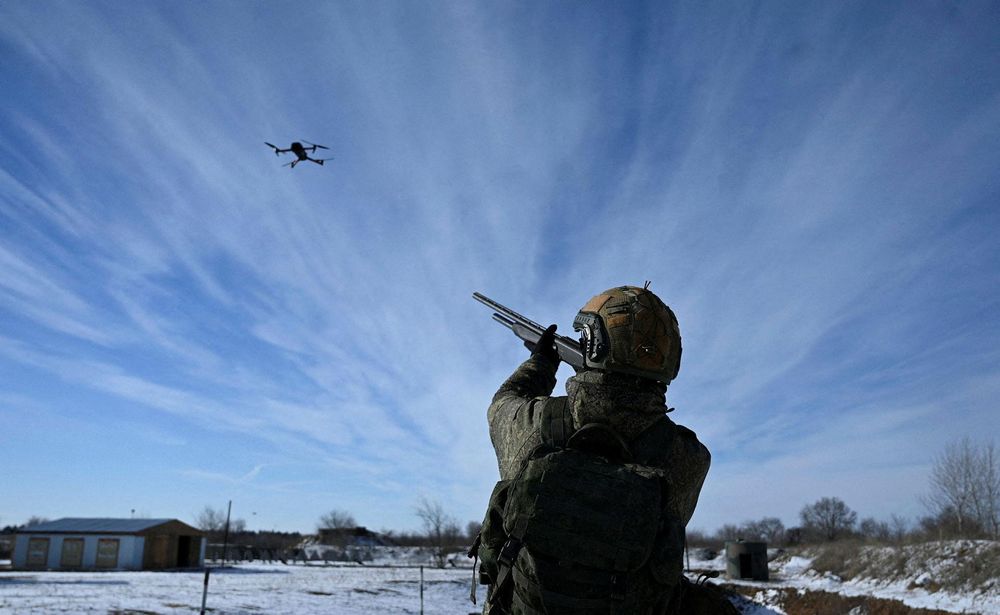
· Source: N12. Photo as published in the article
Denmark's intelligence services warned that Russia may attack a NATO country in the coming months, shortly after a fire that was defined as sabotage at a Starlink satellite station in Poland, with NATO members growing increasingly concerned about U.S. readiness to defend Europe under a Trump administration.
Denmark's intelligence services warned that Russia may conduct in the coming months a limited military attack against a NATO member country, according to an intelligence report released yesterday (Thursday). According to the report, the likelihood of a Russian military attack is still low, but it is expected to grow over time. According to Danish intelligence, Moscow may also conduct long-range attacks against NATO infrastructure supporting Ukraine, or limited incursion into a neighboring country by means of a small force, possibly of unmarked soldiers.
The Danish report was released hours after a fire broke out at a Starlink satellite station in central Poland, which local authorities defined as sabotage. Poland's deputy prime minister stated that the fire was caused as a result of deliberate planning to disable the station, and it damaged access to the Internet for several institutions and organizations, including the Ukrainian army. According to the Danes, Russia is expected to intensify in the coming months hybrid attacks against European countries, including destructive cyberattacks.
Starlink became a central part of Ukrainian military communications, and the incident in Poland comes against the background of a series of suspected sabotage operations against European infrastructure that supports Ukraine. Earlier this month, Germany publicly accused Russia of attempting a drone attack at the airport in Leipzig, and in other places in Europe, fires that broke out at drone factories and sabotage of railway infrastructure have been investigated as suspected connections to Moscow.
NATO members are increasingly concerned about whether the United States will stand by Europe under a Donald Trump administration, in the event of a Russian attack. Unity within Europe is also being tested: last week, Slovakia's Prime Minister Robert Fico, who maintains close ties with the Kremlin, cast doubt on his country's commitment to NATO's collective defense principle, and said he does not want his country to be dragged into a military confrontation because of Article 5, which stipulates that an armed attack against one member will be considered an attack against all member states.
Yesterday, U.S. intelligence assessed that Russia is preparing for attacks like new opportunities, this time against countries in the Mediterranean, and shared the information with several European governments, including Spain, France and Italy, according to the Spanish newspaper El Mundo. According to a source involved in the details and close to Lithuania's defense ministry, the scenario includes launching submarines from the sea concealed in shipping containers on merchant ships. In Moscow, they argue that supplying weapons, intelligence and military advisors to Kyiv turns Western states into a party to the war and into legitimate targets, and according to experts, Russia has so far operated below the threshold of war while expanding sabotage operations against countries supporting Ukraine.
Source: N12