Opinion
Tibi blackens Israel's image abroad while enjoying the Knesset platform
In an interview, Tibi describes Israel as more extreme and cruel and accuses the media of justifying killing. These are his views and allegations. This opinion column criticizes the blackening of Israel's international reputation by someone serving in its Knesset and calls for accountability and accuracy. The clip's recording date was not verified.
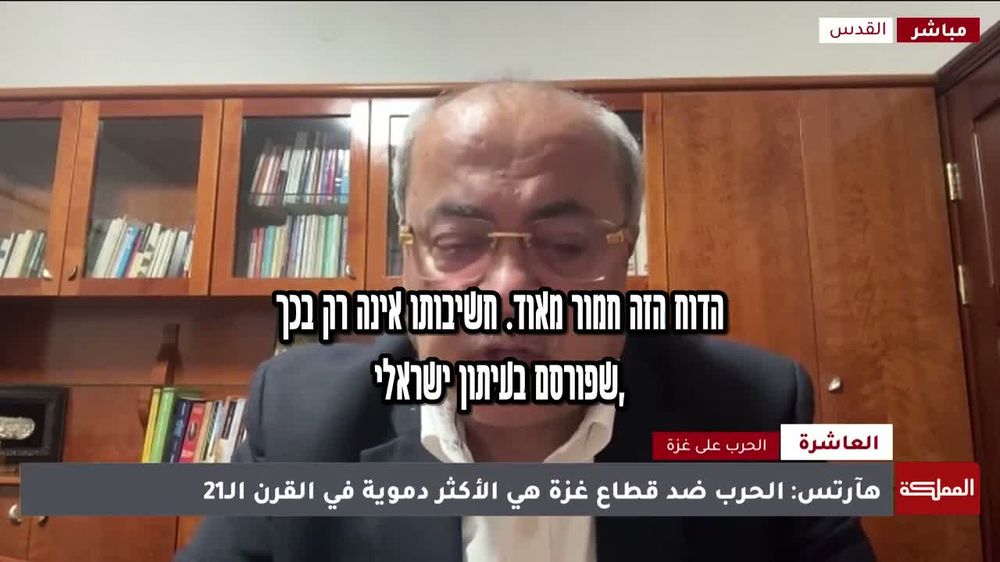
· Image: Frame from an interview excerpt supplied to the newsroom; original broadcast branding retained, recording date unverified
In another interview, Ahmad Tibi portrays Israel as more extreme and cruel and accuses the media of justifying killing. In our view, that message blackens the country from whose legislature he operates.
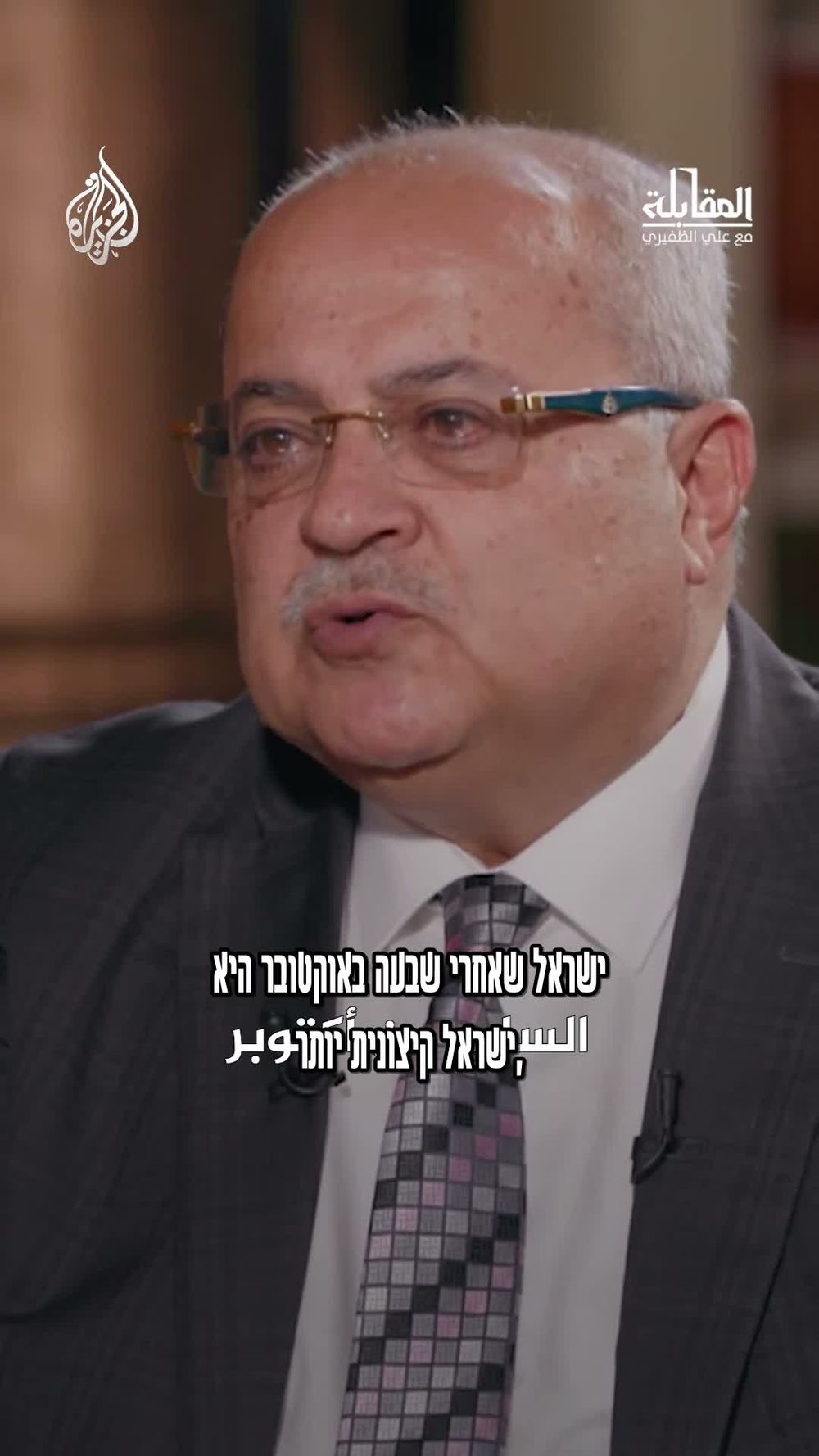
In the supplied clip, bearing Al Jazeera broadcast branding, Tibi says according to the subtitles: "Israel after October 7 is a more extreme Israel," and later describes it as "more cruel." He claims that justifying killing has become a pattern in Hebrew-language politics and media. These are his allegations and assessment, not the findings of an independent inquiry presented here.
In our view, presenting Israel this way to an international audience damages its reputation and ability to explain its positions. A message from an Israeli Knesset member carries additional weight abroad. Our criticism concerns Tibi's choice to promote a sweeping, accusatory framing of the country, rather than a proven claim that a specific reputational loss has been measured.
The public may demand accountability from those given a parliamentary platform: accuracy, context and a distinction between policies they oppose and a wholesale accusation against Israel. In our view, there is a stark gap between Tibi's status as a Knesset member and the way he describes the country internationally.
The video is an interview excerpt, not newly verified footage from today. The quotations are based on the supplied Hebrew subtitles; the recording date and translator's identity were not verified. His Knesset membership is presented as his public role, not an announcement of a new election or first entry into parliament.