Economy
A Million Views and Money Stuck en Route: What the Business Side of Content Creators Looks Like
The content industry is already generating hundreds of billions of dollars, but as content creators become real businesses, they are discovering a new challenge: how do you receive money from audiences and platforms around the world, pay suppliers in other countries and keep enough cash for the next production?
· Source: Walla. Photo as published in the article.
The content creator industry is currently generating approximately 480 billion dollars according to Goldman Sachs, but as creators operate with audiences and platforms around the world they encounter challenges with cross-border payments, fees and delays in fund transfers.
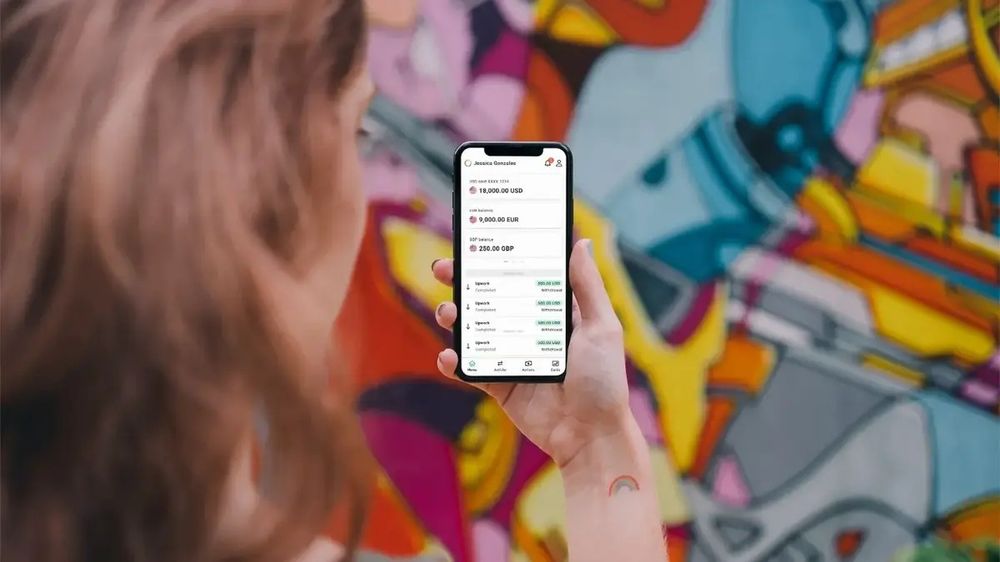
The digital content industry is currently generating approximately 480 billion dollars, according to Goldman Sachs figures. As content creators become full businesses, with editors, suppliers and equipment, they are required to deal with the challenge of receiving payments from audiences and platforms around the world, paying suppliers in other countries and keeping cash for the next production. An Israeli creator might have an audience in New York, work with an editor in London and receive income through an international platform, with payments in transit passing through different banking systems, currencies and regulations.
Adam Cohen, Chief Growth Officer at Payoneer, said that once a creator reaches an international audience they effectively become a small global company required to manage cash flow, pay suppliers and track expenses, and that "a delay in payment means a delay in the next production" and "unnecessary fees mean less money to reinvest in the business." According to reports, TikTok LIVE allows creators in more than 120 countries to receive payment directly to a bank account in local currency, while Patreon, which serves more than 300,000 creators, offers among other things a multi-currency wallet and bank account transfers.
Alex Zeitlin, founder of the channel "Coming to the Professors," is an example of how independent content activity transforms into a cross-border business. According to reports, his content reaches about a million views a month across platforms, including the international channels Kedem and Global Insights, with a significant portion of the model resting on community funding. Zeitlin said: "Compared to platforms that take a larger share of creator income, Patreon allows a much larger share of subscriber revenue to remain with the creator," and added that "this gives independent influencers greater control over their income, the community they built, their pricing strategy and their long-term business development."
According to reports, among creators themselves there are different needs: some prefer to transfer the money immediately to a local account to finance current expenses, while others prefer to keep the income in dollars, use it to pay foreign suppliers and only then convert the balance to local currency. What is common to both sides is the need for flexibility and control over money, with financial infrastructure becoming part of content creators' ability to continue working, employ people and invest in their next project.