World
The new trend at airports: Tourists wrap biometric passports in aluminum foil
A new viral phenomenon shows travelers wrapping passports in aluminum foil to prevent malicious digital scans, but experts clarify that this is an unnecessary practice since the reading range of passport chips is extremely short. Beyond that, repeated use of the thin foil can cause physical damage to the sensitive electronic chip in the cover, disable the document and require a reissue procedure.
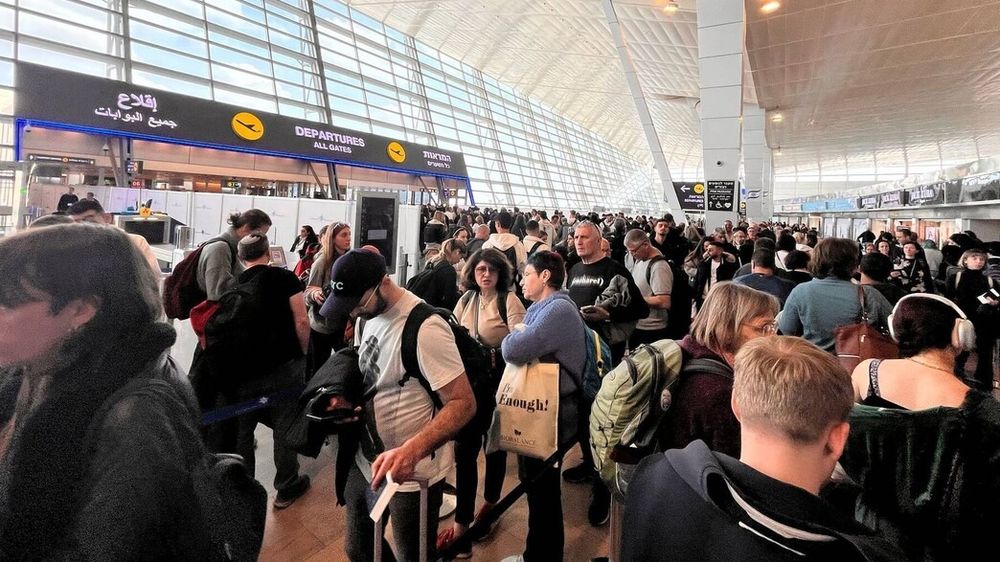
· Source: N12. Photo as published in article
A wave of videos on social media shows tourists wrapping their passports in aluminum foil before flying for fear of digital data theft, but security and border control experts warn that the method is ineffective and could damage the biometric passport chip.
A wave of videos on social media shows tourists wrapping their passports in aluminum foil before flying, out of fear of digital data theft and the possibility that hostile parties will succeed in drawing personal information without their knowledge by passing near them. The phenomenon is based on a real technological feature that exists in modern passports: many biometric travel documents incorporate an RFID chip, which enables quick and secure authentication at border control posts. According to the report, these chips contain sensitive information, including a digital passport photo, full name, date and year of birth, address, physical characteristics and even two fingerprints collected when the document was issued.
The justification presented by supporters of the trend is based on research in the field of information security, including research by Ari Jules, David Molnar and David Wagner. According to these studies, the chips embedded in passports are passive and lack an internal power source, and function only when an external reader transmitting a radio signal is within a very short range of about 10 centimeters. The idea of wrapping the passport in aluminum is based on the principle of a Faraday cage, a shell of conductive material that blocks electromagnetic signals, in order to prevent unauthorized scanning in crowded spaces.
However, security and border control experts noted that the use of household aluminum foil for this purpose is ineffective and unnecessary. According to them, the probability of unauthorized reading of the information during routine travel is extremely low, since the reading device must be in immediate proximity or direct contact with the document. Additionally, household aluminum foil is a delicate material prone to wrinkling and tearing easily under regular use, creating gaps that allow signals to pass through.
The consequences of amateur use of materials such as aluminum foil can be particularly problematic for holders of the Israeli biometric passport, which contains a sensitive electronic component in the cover designed for quick scanning at automated entry and exit gates. Repeated folding, pressure and use of aluminum foil can cause accelerated wear, physical damage to the cover or even damage to the internal chip itself. According to the report, in accordance with the procedures of the Population and Immigration Authority, a passport that is damaged or damaged to a degree that does not permit its reading requires physical attendance at an office, payment of an increased fee for renewal of a damaged passport, and a reissue procedure that could complicate the travel plans of the traveler.
Immigration authorities do not require additional protective measures beyond a standard passport. Experts noted that the repeated removal and replacement of the wrap at border checks creates only unnecessary delays in queues, and does not provide substantial protection beyond subjective sense of security. For those interested in protection against electronic scanning without risking document integrity, there are purpose-built and RFID-secure sleeves available on the market suited for this purpose in a durable and standard manner.