World
Boeing won a contract worth approximately $70 billion for the U.S. Navy's next fighter jet
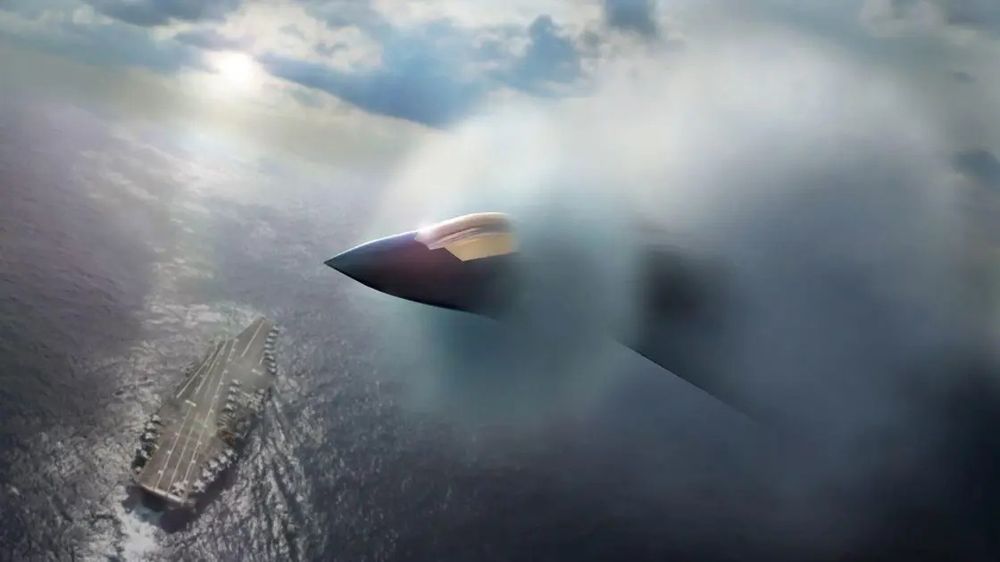
Boeing outbid Northrop Grumman and won the contract for developing the next-generation fighter aircraft for the U.S. Navy, which will replace the F/A-18E/F "Super Hornet." The Navy plans to procure approximately 400 to 500 twin-engine aircraft, with test flights in the early 2030s and initial operational capability around 2035. According to the report, Israeli defense industries may be integrated into the project as component suppliers.
· Source: Walla. Photo as published in the article
Boeing outbid Northrop Grumman and won the contract for development and production of the next-generation fighter aircraft for the U.S. Navy, the F/A-XX program, in a deal whose total lifecycle value is expected to exceed the $70 billion threshold.
According to the report, the initial contract for development and demonstration phases is estimated at $20 billion. The Navy plans to procure approximately 400 to 500 new aircraft that will gradually replace, starting in the mid-2030s, the F/A-18E/F "Super Hornet" aircraft on aircraft carriers.
Initial test flights are planned for the early 2030s, and the target for initial operational capability has been set for around 2035. The new aircraft will serve the Navy alongside the F-35, but unlike it will be twin-engine, which according to the report will provide greater reliability and survivability in combat flight.
Lockheed Martin, which dominated the Western stealth fighter market with the F-22 and F-35, did not make it to the final round of the contract, which saw Boeing compete against Northrop Grumman. For Boeing, which previously won the contract to replace the F-22 to be called the F-47, and has suffered in recent years from crises in the commercial aviation business with the 737 Max disasters and setbacks in defense projects like the KC-46 tanker aircraft, the win promises, according to the report, the future of its military production lines in St. Louis for the next fifty years.
According to the report, Israeli defense industries may be integrated into the project as component suppliers. The new aircraft will be substantially cheaper than the F-47, whose price will reach more than $300 million per unit, and by the writer's assessment, if the Israeli Air Force prefers in the future a twin-engine stealth combat aircraft, the economic advantage may bring the aircraft to Israel as well.
Source: Walla