World
German Chancellor Merz suffered two defeats in regional elections and refuses to step down
Chancellor Friedrich Merz's CDU plunged to about 4.9% in Mecklenburg-Western Pomerania, below the threshold, while the far-right AfD won about 38% there. In Berlin, the far-left Die Linke reached first place with about 25% to 26% according to forecasts, and its candidate Alief Arif, who criticizes the handling of pro-Palestinian protests, may become the mayor. Merz called the results a 'disaster' but made clear he will continue to serve and lead reforms.
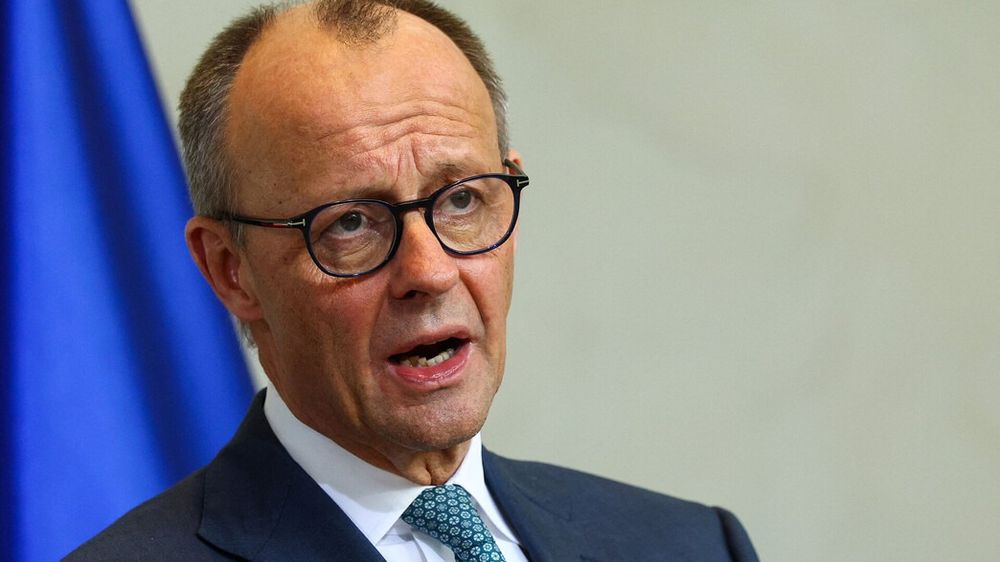
· Source: N12. Photo as published in the article
Chancellor Friedrich Merz's CDU fell below the threshold in Mecklenburg-Western Pomerania and was pushed into second place in Berlin behind the far-left, but Merz, who called the results a 'disaster,' made clear he will continue to serve and lead reforms.
German Chancellor Friedrich Merz suffered two political blows on Sunday after his party, the Christian Democratic Union (CDU), suffered defeats in two regional elections. In Mecklenburg-Western Pomerania in eastern Germany, the party plunged to about 4.9% of votes, below the 5% threshold, and according to reports, if the result holds, it will be the first time since 1949 that the party is not represented in one of Germany's parliaments. 'This is a disaster,' Merz said to reporters shortly after the polls closed.
The far-right 'Alternative for Germany' (AfD) reached first place in Mecklenburg-Western Pomerania with about 38% of votes, more than double its support in the previous election, coming weeks after winning about 44% in Saxony-Anhalt. Its candidate for state premier, Leif-Erik Holm, told supporters: 'We have a mandate to rule,' but the other major parties ruled out a coalition with it and it is expected to remain out of power.
In Berlin, the far-left Die Linke party achieved a major victory and reached first place with about 25% to 26% of votes according to forecasts, compared to about 19% for the CDU. The party's candidate for mayor, Alief Arif, born in Munich to Turkish parents, may become the first of Turkish origin to lead the German capital. The Greens conditioned their joining a coalition led by her on addressing claims of antisemitism in parts of the party, and Arif, who declared that her party recognizes Israel's right to exist, criticized the way Germany handles pro-Palestinian protests.
Merz, who took office in May 2025 and according to one recent poll only one in ten Germans is satisfied with his performance, made clear he will continue to serve and lead the enactment of reforms intended to revive the German economy. 'What needs to be done now requires courage, determination, and patience,' he said, and added: 'I will provide all of those.' AfD leader Alice Weidel, when asked how much time he has left in office, replied: 'Soon enough he will leave.'
Source: N12