Breaking
Peace Council Presented Its Gaza Rehabilitation Plan - and It's a Massive Investment
Trump's Peace Council presented the 'day after' plan in Gaza: dismantling Hamas, a new Palestinian government, an international force and rehabilitation worth billions of dollars.
· Source: Maariv. Photo as published in the article
President Donald Trump's Peace Council presented a 'day after' plan for Gaza that includes dismantling Hamas, establishing a new Palestinian government, deploying an international force and rehabilitation worth billions of dollars, with the first phase of implementation alone estimated at approximately $2.45 billion.
President Donald Trump's Peace Council presented the 'day after' plan for Gaza, which includes dismantling Hamas, establishing a new Palestinian government, an international force and rehabilitation worth billions of dollars. Tony Blair, former British Prime Minister and member of the Council's executive committee, said the goal is to build 'Gaza not as it was, but as it should be,' with functioning public institutions, a new education system and an economy that will create jobs and investment opportunities. According to him, without deep change in how Gaza is governed, it will not be possible to turn the ceasefire into a stable arrangement.
Steve Witcoff, who focused on the political side of the process, emphasized that the plan cannot move forward if a ceasefire agreement remains only on paper, and that the sides must fulfill the commitments they have already made. The Peace Council called on all sides that evening to fulfill their commitments and avoid actions likely to undermine the ceasefire or return Gaza to conflict. Among the goals defined by the Council: demilitarization of the Strip, Israeli withdrawal according to the framework, establishment of civilian and security Palestinian government and rehabilitation with international community support.
Jared Kushner, Trump's son-in-law and senior advisor and one of the plan's architects, presented the economic and rehabilitation component, and said the goal is not just to provide emergency aid but to rebuild 'a government from scratch, an economy from the ruins and an area from disaster,' as a Council member described the plan. According to reports, the first phase, planned for six months, includes 66 projects at a cost of approximately $2.45 billion.
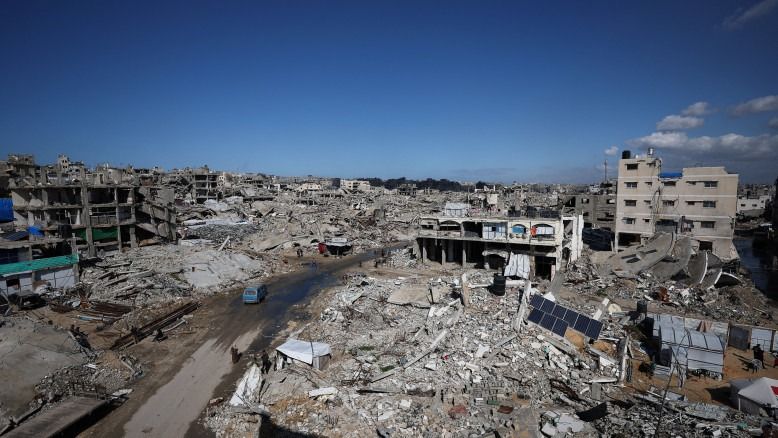
The plan includes approximately $400 million for temporary housing for displaced persons, hundreds of millions of dollars for health, education and welfare, rehabilitation of hospitals, roads, water and electricity systems and clearing debris. In addition, a digital identification system, digital payments, a fourth-generation cellular network, grants for small businesses and a new investment fund for Gaza are planned. According to reports, the Council emphasizes that rehabilitation is supposed to be conducted under the principle of 'Palestinian ownership.'
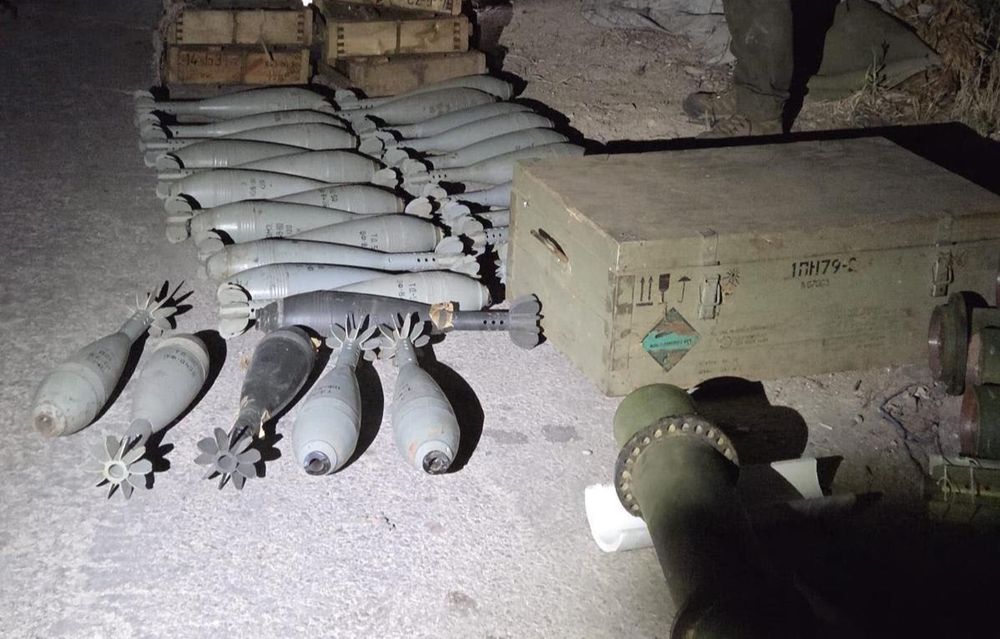
Major General Jasper Jeffers, commander of the international stabilization force, presented the security plan, which is one of the most expensive phases with approximately $885 million: approximately $275 million to establish a fortified compound in Rafah for 5,000 international force personnel, approximately $120 million to operate a new Palestinian police force and approximately $20 million for collecting and acquiring weapons from armed organizations. At the end of the briefing, the Council's senior representative for Gaza, Nikolai Mladenov, said: 'We are still at a point where we must ensure that what was agreed is actually implemented and significantly changes the lives of people in Gaza,' and added: 'Unfortunately, we are not yet there.'